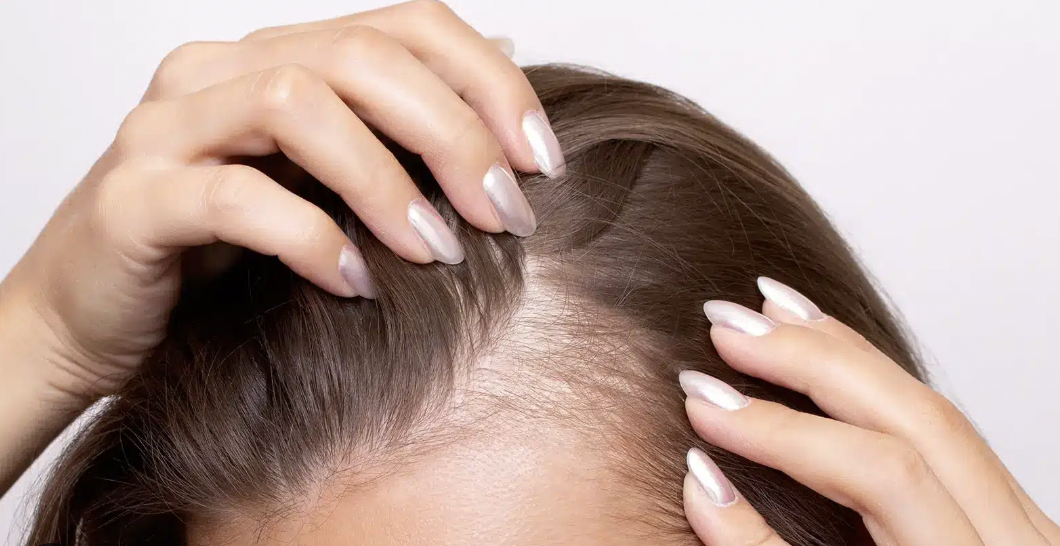
Hair thinning and unexpected facial hair growth might seem like unrelated concerns, yet both can result from changes in the same hormonal system. For women with polycystic ovary syndrome (PCOS), these seemingly contradictory symptoms can develop alongside persistent acne, menstrual irregularities, and metabolic changes, sometimes before the underlying condition is recognized.
PCOS is a common hormonal and metabolic disorder that can influence how hair follicles function throughout the body. As dermatologist Dr. Victoria Watt Serralta explains, conditions like PCOS can be overlooked because their symptoms are individually common and may not initially appear connected. Understanding these relationships offers insight into how hormonal changes influence hair growth and why recognizing accompanying symptoms matters.
The Clinical Picture: Recognizing the Constellation of Symptoms
Hormone-mediated hair loss rarely occurs in a vacuum. In the case of PCOS—a condition rooted in endocrine dysfunction and metabolic dysregulation—the body often produces elevated levels of androgens (male sex hormones present in both men and women). Dr. Serralta highlights several symptoms that may occur in individuals with PCOS, although their presence and severity vary from person to person:
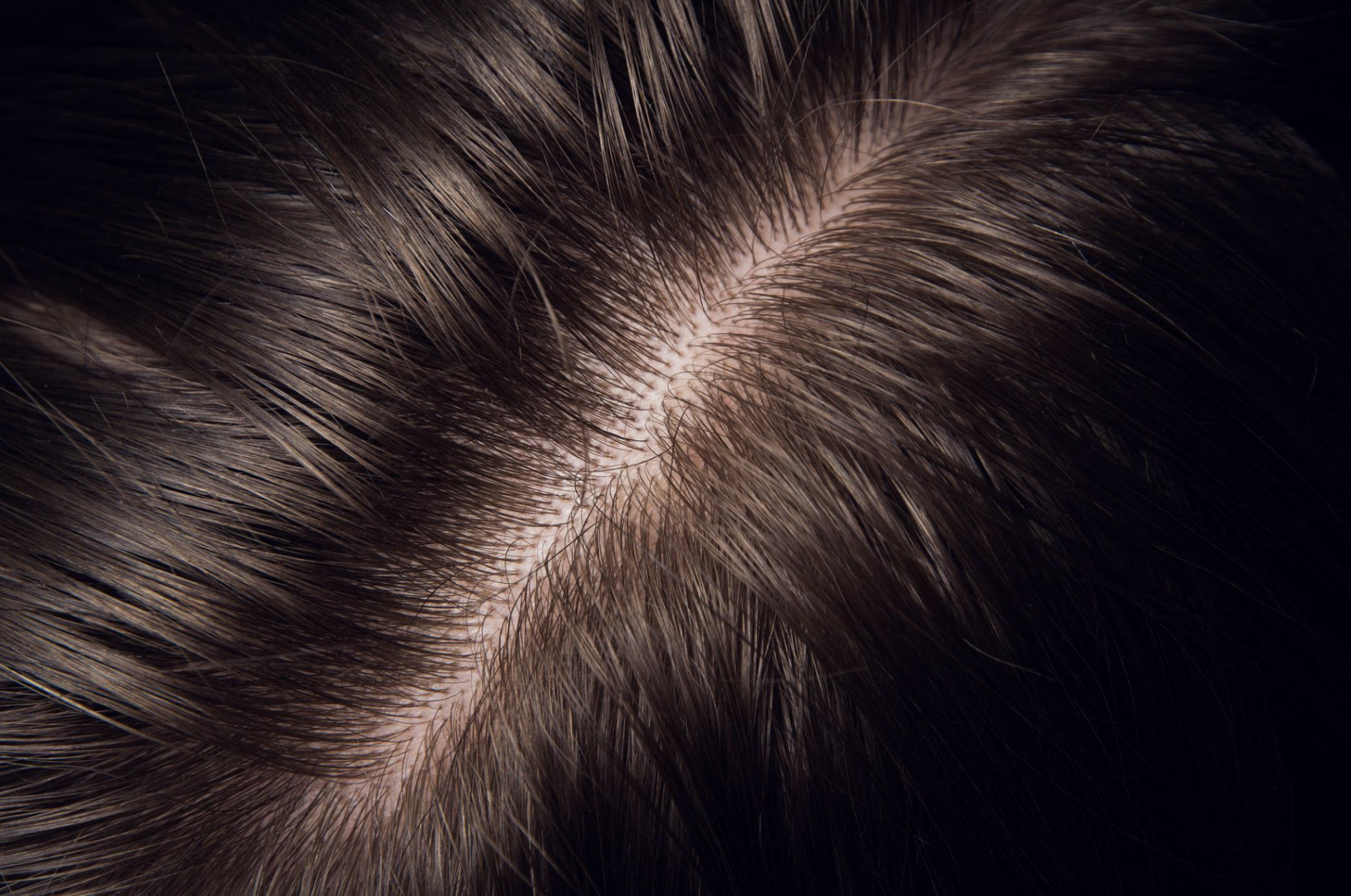
- Scalp Hair Thinning: Diffuse thinning across the crown and vertex of the scalp, commonly referred to as female pattern hair loss or androgenetic alopecia.
- Hirsutism: Paradoxical hair growth in androgen-dependent areas such as the chin, upper lip, chest, or abdomen.
- Persistent Acne: Inflammatory or cystic breakouts, particularly along the jawline and lower face, driven by sebum overproduction.
- Metabolic Changes: Weight gain or difficulty losing weight, often tied to underlying insulin resistance.
Because these symptoms are individually common and often emerge in young, otherwise healthy individuals, they are frequently addressed piecemeal rather than recognized as unified manifestations of an underlying endocrine disorder.
The Mechanism: How Androgens Affect Hair Follicles
To understand why PCOS can contribute to certain patterns of hair thinning on the scalp while promoting growth on the face, one must examine follicular biology. At the follicular level, circulating androgens—particularly testosterone—interact with the enzyme 5-alpha reductase to form dihydrotestosterone (DHT).
In genetically susceptible scalp follicles, DHT binds to androgen receptors, contributing to progressive follicular miniaturization. During this process, the growth (anagen) phase of the hair cycle is abbreviated, while the resting (telogen) phase lengthens. Over successive cycles, affected follicles produce progressively finer, shorter hairs, gradually reducing overall scalp density.
Conversely, follicles on the jawline and body respond to androgen stimulation by converting fine vellus hairs into thick, terminal hairs. This biological divergence explains the frustrating contradiction many patients experience: shedding on the scalp alongside unwanted hair growth elsewhere.
Recognizing When Hair Loss May Be Hormonal
Although PCOS is associated with changes in scalp hair density, hair thinning alone is not sufficient to identify a hormonal disorder. Female pattern hair loss can occur in women with normal androgen levels, and some individuals with PCOS never experience noticeable scalp thinning.
The distinction becomes more meaningful when hair changes occur alongside other symptoms. Irregular or infrequent menstrual cycles, increased facial or body hair growth, persistent acne, and certain metabolic concerns may suggest a broader pattern of hormonal dysfunction. In particular, hirsutism is an important clinical indicator of androgen excess, whereas acne and female pattern hair loss are less reliable indicators when they occur independently.
PCOS is not diagnosed through hair loss or hormone levels alone. Healthcare professionals consider combinations of clinical symptoms, evidence of androgen excess, ovulatory dysfunction, and ovarian characteristics, while evaluating for other conditions that can produce similar findings. The diagnostic approach may also differ according to the patient's age and medical history.
For patients experiencing both scalp thinning and other possible signs of hormonal imbalance, recognizing these connections can help determine whether further endocrine evaluation is appropriate. The objective is not to assume that PCOS is responsible for every instance of female hair loss, but to understand when the pattern of symptoms may warrant investigation.
Managing Hormonal Hair Loss: Treatment Options and Considerations
When PCOS contributes to hair thinning, treatment may involve addressing both the underlying hormonal condition and its effects on scalp follicles. However, managing PCOS and treating female pattern hair loss are not necessarily the same process. Improving hormonal or metabolic health does not automatically restore hair density, and some patients may benefit from treatments directed specifically at hair growth.
Several medical approaches may be considered depending on the individual's symptoms and clinical findings.
Anti-Androgen Medications: Certain prescription medications, such as spironolactone, can reduce the effects of androgens on susceptible hair follicles. These treatments may help manage androgen-related hair thinning in selected patients, although their suitability depends on individual health factors and reproductive considerations. Spironolactone should not be used during pregnancy because of potential fetal risks.
- Hair Growth Treatments: Topical minoxidil is a commonly recommended treatment for female pattern hair loss. It works directly on hair follicles to support growth and may help improve density over time. Oral minoxidil is also sometimes prescribed off-label under medical supervision. Although these medications may encourage hair growth, they do not correct the underlying hormonal abnormalities associated with PCOS.
- Management of PCOS: For patients with confirmed PCOS, treatment may also address menstrual irregularities, androgen-related symptoms, or metabolic concerns such as insulin resistance. Depending on the patient's needs, management may include lifestyle interventions and medications selected by the treating healthcare professional. These approaches support broader health and may help manage hormonal symptoms, but their effects on scalp hair growth vary.
Because PCOS presents differently among individuals, treatment is not based on a single standardized regimen. A patient experiencing mild thinning and acne may require a different approach from someone with more pronounced hair loss and significant metabolic symptoms.
The objective is to identify which factors are contributing to the hair changes, address those that can be managed, and select treatments that support the best possible long-term outcome.
Understanding the Broader Hormonal Picture
The relationship between PCOS and hair health illustrates how the same hormonal signals can produce very different effects throughout the body. Increased facial hair growth, persistent acne, and progressive scalp thinning may seem unrelated, but together they can provide useful clues about androgen activity and underlying health.
Not every woman with PCOS experiences hair loss, and not every case of female pattern hair loss is hormonal. Recognizing these distinctions is essential to understanding when a more comprehensive evaluation may be appropriate.
By considering hair changes alongside other physical symptoms, dermatologists can help identify contributing conditions and determine which treatment approaches are most appropriate for each patient.