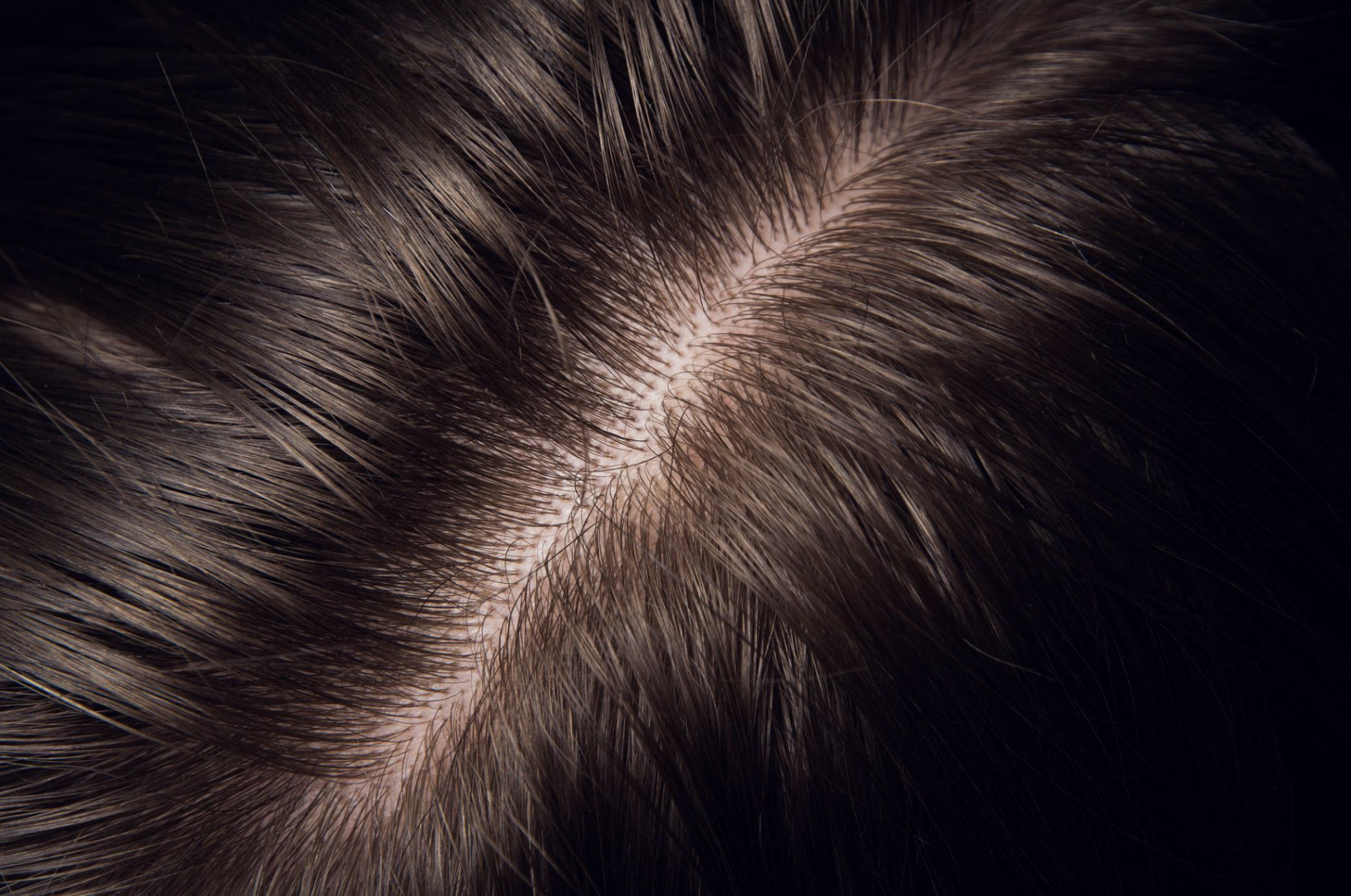
Understanding Stress-Related Hair Shedding
Noticing an unusual amount of hair accumulating on your brush, pillowcase, or shower drain can be an alarming experience. For many individuals, this sudden change follows on the heels of a major life event, an intense illness, surgery, or prolonged emotional strain. When this occurs, patients often wonder whether they inadvertently damaged their hair or assume that shedding is simply an inevitable reaction they must endure.
According to board-certified dermatologist Dr. Victoria Serralta, this assumption is one of the most widespread misconceptions surrounding hair loss. Stress-induced hair loss—frequently presenting as telogen effluvium—is a well-documented biological response to physiological and psychological strain. Most importantly, it is not something individuals have to navigate alone or accept as untreatable.
While everyday conversation often minimizes the condition with phrases like "it's just stress," Dr. Serralta emphasizes that stress is rarely something people can instantly eliminate from their lives. Because hair loss from stress can persist and impact emotional well-being, proactive clinical care is essential.
How Stress Disrupts the Hair Growth Cycle
Hair follicles operate on a dynamic biological cycle consisting of growth, transition, and resting phases. Under normal circumstances, the majority of follicles remain in an active growth phase. However, when the body encounters a significant physical or emotional stress event, the internal balance shifts.
The body naturally prioritizes vital physiological systems—such as cardiovascular and immune function—over non-essential processes like hair production. As a result, a significant stress event can prematurely shock a large number of growing hair follicles into a resting phase.
Because of the natural timing of this cycle, stress-related hair shedding typically does not occur on the exact day of a crisis. Instead, noticeable hair loss often becomes evident weeks or even months after the inciting event took place. By the time shedding begins, patients may not immediately connect their thinning hair to a past illness, surgery, or difficult life transition.
Identifying the Underlying Cause
One of the most critical aspects of treating hair loss is achieving an accurate, definitive diagnosis. There are thousands of potential causes for alopecia, ranging from hormonal shifts and nutritional deficiencies to autoimmune conditions and localized scalp inflammation. In many instances, a patient may experience stress-induced hair loss alongside an underlying condition, such as anemia, low vitamin D levels, or hormonal imbalances like PCOS.
As specialists extensively trained in hair, skin, and nails, dermatologists perform comprehensive evaluations to identify exactly what is happening at the scalp and systemic levels. A thorough clinical workup typically includes:
- A Detailed Medical History: Reviewing recent physical stressors, illness, medications, and lifestyle changes to pinpoint the timing of potential triggers.
- Scalp and Follicle Examination: Inspecting the scalp for signs of inflammation, redness, scaling, or early signs of scarring alopecia.
- Targeted Laboratory Tests: Checking key markers such as iron levels and vitamin concentrations to ensure the body has the resources required to rebuild hair.
- Scalp Biopsy (When Indicated): Examining a tiny tissue sample under a microscope to evaluate follicle health beneath the surface, rule out scarring processes, and assess follicle miniaturization.
By conducting a complete evaluation, dermatologists eliminate the frustrating cycle of trial-and-error treatments that often leaves patients waiting months without measurable progress.
The Path to Recovery and Regrowth
For those wondering what can be done about stress-induced hair loss, Dr. Serralta emphasizes that many forms of hair loss have treatment options, and identifying the underlying cause is essential to determining the most appropriate approach
When treating hair loss from stress, the primary objective is to calm follicle disruption, support the scalp environment, and stimulate resting follicles back into their active growth phase. Depending on the clinical findings, medical approaches may include gentle topical solutions, safe systemic medications, targeted nutritional supplementation to correct identified deficiencies, or localized anti-inflammatory therapies.
Patience is a vital part of the recovery process. Waking up dormant follicles and growing new strands takes time—typically several months of steady, gradual progress before density visibly improves. Seeking a dermatological evaluation when unusual shedding begins can help identify contributing factors, rule out other conditions, and establish an appropriate path toward recovery
Partnering with a Dermatologist
Navigating hair thinning can feel overwhelming, but you do not have to guess at the cause or rely on unverified remedies. If you are experiencing persistent shedding, thinning, or scalp discomfort, scheduling a consultation with a dermatologist is the most reliable step toward uncovering the root cause and restoring healthy, resilient hair.