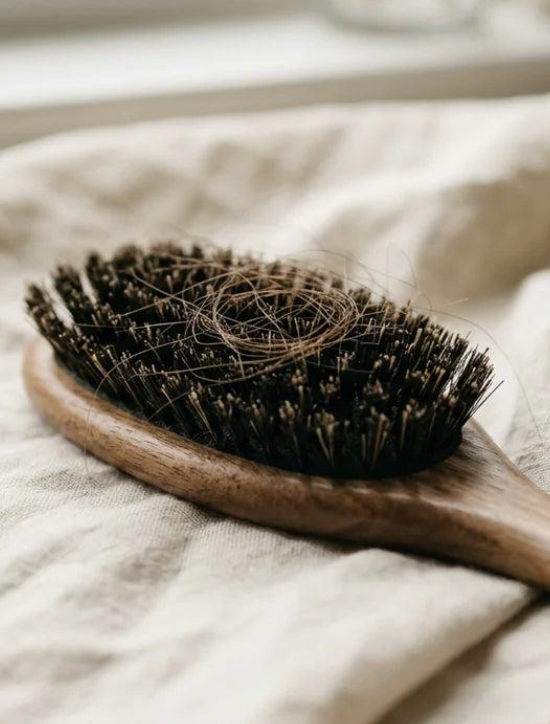
When excessive hair shedding begins, it is easy to assume that age, stress, or harsh styling habits are solely to blame. Yet the hair and scalp often serve as a sensitive reflection of internal wellness. Among the various systemic factors that influence hair health, nutritional status plays a central role. In particular, the biological relationship between iron levels, red blood cell production, and the hair growth cycle demonstrates how a subtle internal deficiency can manifest outwardly on the scalp.
Understanding how iron powers cellular function—and what happens when supply falls short—provides crucial insight into why comprehensive medical evaluation is so vital for anyone experiencing unexplained hair thinning.
The Biological Priority: Blood Over Follicles
Iron is an essential mineral required for the synthesis of hemoglobin, a specialized protein within red blood cells responsible for carrying oxygen throughout the body. Every living tissue relies on this oxygen supply to sustain energy and cellular repair, and hair follicles are among the most metabolically active structures in human biology. During the active growth phase, known as the anagen phase, follicle cells divide rapidly, demanding a continuous influx of oxygen and essential nutrients.
When iron levels drop, the body must make physiological choices about resource allocation. Given a finite amount of available iron, vital functions take precedence. The body will inevitably prioritize the production of red blood cells to sustain oxygen delivery to critical organs over maintaining optimal hair growth. When follicles are deprived of sufficient nourishment, their normal cycle is disrupted, leading them to transition prematurely from active growth into a resting and shedding phase.
Iron Deficiency Versus Iron-Deficiency Anemia
It is important to distinguish between simple iron deficiency and fully developed iron-deficiency anemia. A person can have low iron stores long before their hemoglobin levels fall below the clinical threshold for anemia.
Iron in the body is held both in circulating hemoglobin and in storage pools represented by ferritin, an intracellular protein that stores iron and releases it in a controlled fashion. When an individual begins losing iron or absorbing less than needed, ferritin stores are drawn down first to maintain stable circulating blood counts. In many instances, hair shedding can serve as an early warning sign of depleted ferritin reserves, occurring even when routine complete blood count tests appear relatively normal. Evaluating ferritin levels offers dermatologists a much clearer picture of whether low iron reserves might be silently contributing to follicular stress.
Common Drivers of Iron Depletion
Iron deficiency is particularly prevalent among women, though it can affect individuals of any age or background. Several common factors can steadily deplete iron stores over time:
- Menstrual Blood Loss: Heavy or prolonged menstrual cycles are one of the most frequent causes of iron depletion in premenopausal women.
- Increased Demand During Pregnancy: The rapid expansion of maternal blood volume and fetal growth creates a substantial demand for iron that dietary intake alone may struggle to meet.
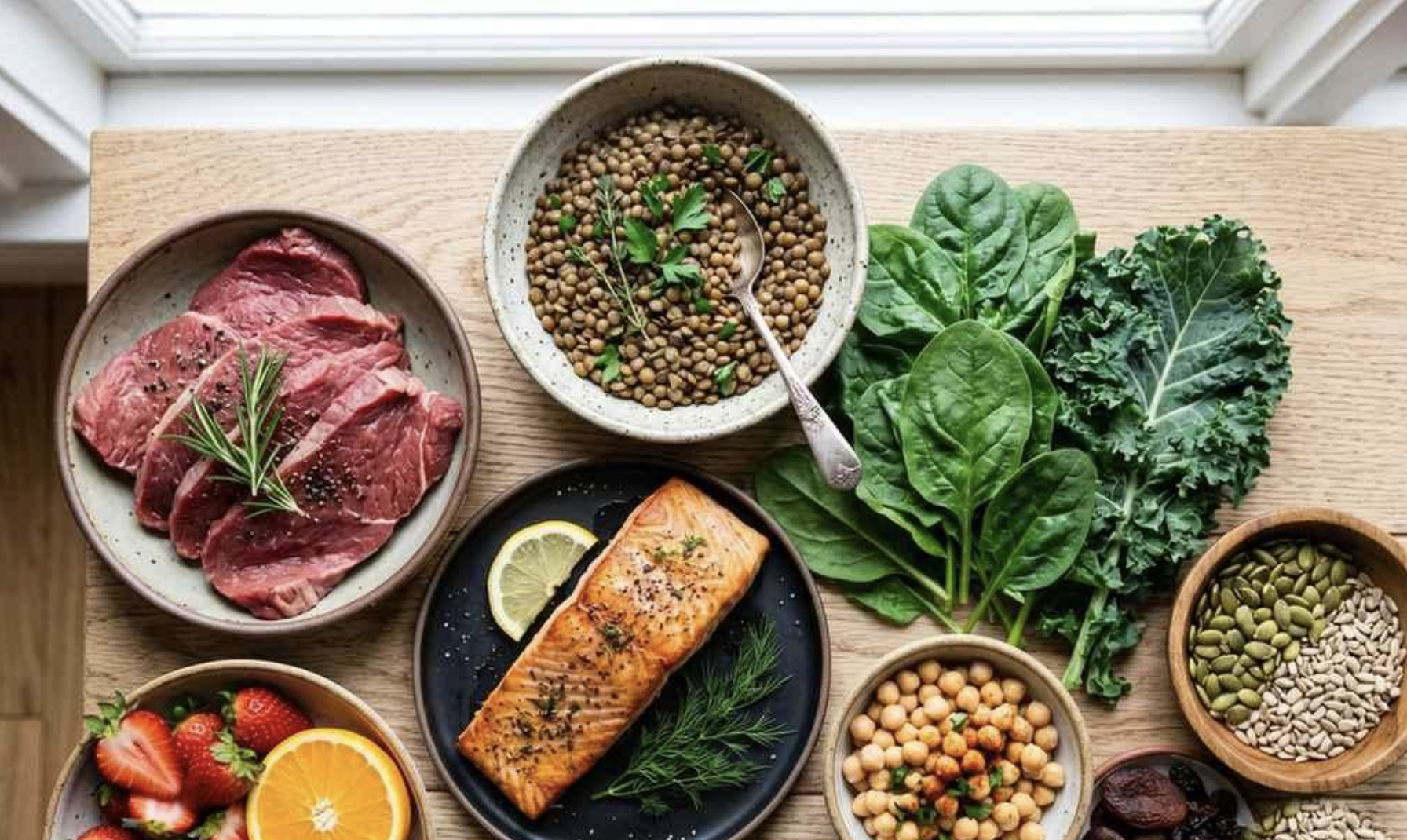
- Dietary Intake: Diets lacking in iron-rich foods, including poorly balanced vegetarian or vegan diets, can lead to gradual depletion if iron sources are not carefully managed.
- Gastrointestinal Malabsorption: Conditions such as celiac disease, inflammatory bowel diseases, or previous gastrointestinal surgeries can impair the body's ability to absorb iron efficiently through the digestive tract.
Because these underlying factors often develop gradually, individuals may not immediately connect subtle fatigue or dietary changes with the thinning they observe in the mirror.
Clinical Presentation and the Risk of Misidentification
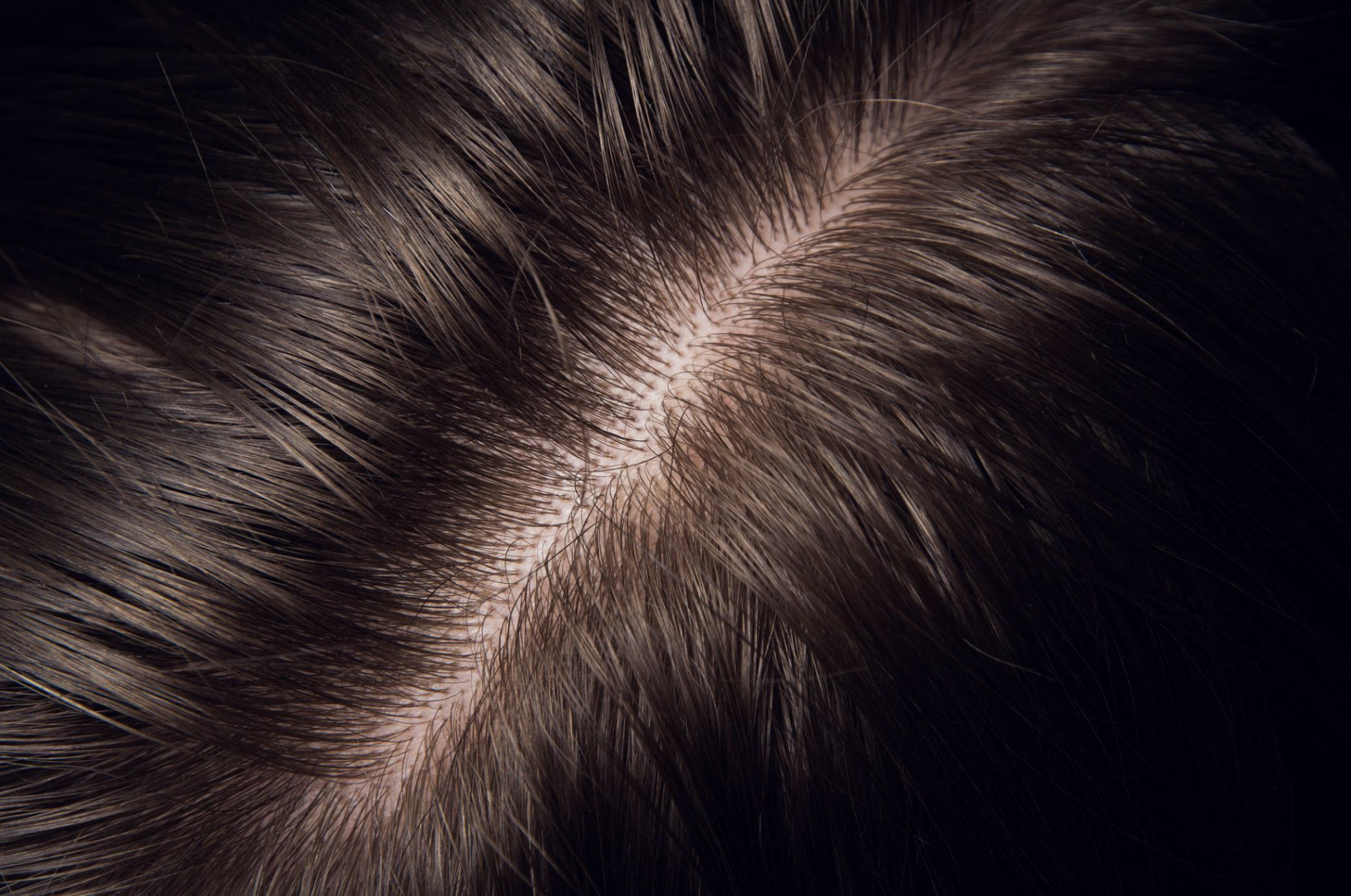
Hair shedding linked to iron deficiency typically presents as diffuse thinning across the entire scalp rather than defined bald patches. Because this widespread shedding closely mimics other conditions—such as stress-induced telogen effluvium or early androgenetic alopecia—it is frequently misidentified or treated with ineffective topical remedies.
Attempting to self-treat hair loss with over-the-counter supplements without professional guidance carries distinct risks. Hair loss can arise from a multitude of independent or overlapping factors, including vitamin D deficiency, hormonal shifts, or localized inflammatory scalp conditions. Furthermore, self-prescribing iron supplements without laboratory confirmation can lead to toxicity, as the body cannot easily excrete excess iron. A thorough clinical evaluation—combining a detailed medical history, scalp examination, targeted blood work, and occasionally a scalp biopsy—ensures that every contributing element is identified.
The Path to Recovery
When laboratory investigations confirm that an iron deficiency or anemia is contributing to hair loss, addressing the root cause is the first priority. Treatment typically involves guided iron supplementation, nutritional adjustments, and medical management of any underlying condition driving the iron loss.
Restoring healthy hair growth is an inherently gradual process. Once systemic iron reserves and ferritin levels are replenished, hair follicles require time to re-enter the anagen growth phase. Because hair grows at an average rate of roughly half an inch per month, visible improvement generally unfolds over several months of consistent management. With an accurate diagnosis and a targeted treatment plan, identifying and correcting nutritional deficiencies provides hair follicles with the vital support they need to recover.