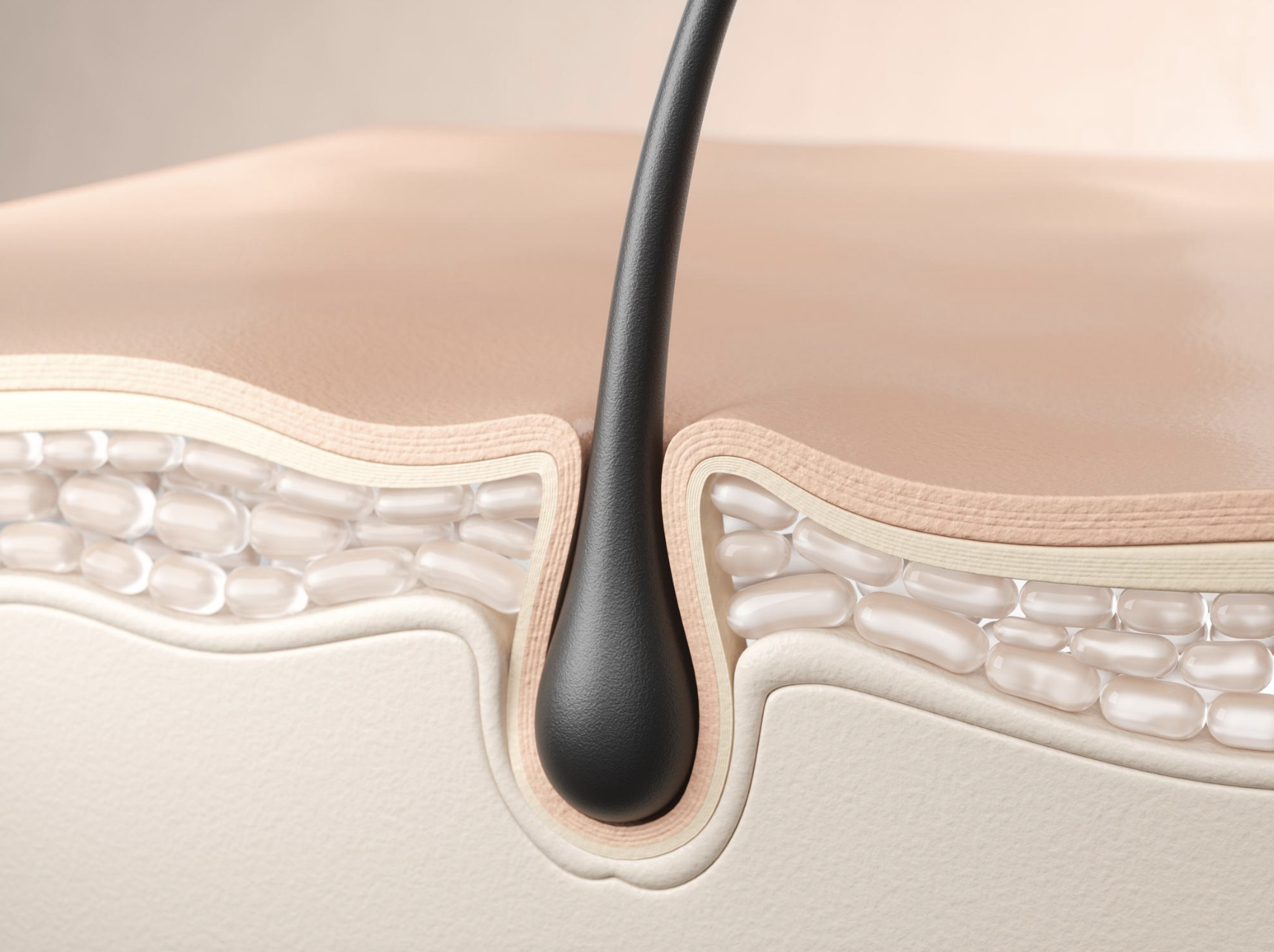
For many individuals, noticing thinning hair or shedding is met with common dismissals: attributing the changes to aging, stress, or harsh styling habits. Yet hair loss—clinically termed alopecia—is rarely that simple. With thousands of potential triggers ranging from nutritional imbalances to internal medical conditions, uncovering the exact underlying cause is essential. Among the various forms of hair loss evaluated in dermatology, scarring alopecia stands out as one of the most critical to identify and treat without delay.
While many types of hair loss are temporary and reversible, scarring alopecia (also known as cicatricial alopecia) represents a more severe category where the hair follicle itself is permanently compromised. Understanding how this condition develops and seeking specialized dermatological care early can make the difference between preserving a healthy scalp and facing irreversible loss.
What Is Scarring Alopecia?
In standard, non-scarring forms of hair loss, hair follicles may shrink, pause their growth cycle, or shed prematurely, but they remain viable beneath the skin. With the correct clinical intervention, those dormant follicles can often be stimulated to regrow hair over time.
Scarring alopecia follows a fundamentally different and more aggressive path. In these conditions, inflammation targets the hair follicle directly. When active inflammation goes unchecked, it damages the cellular architecture of the follicle. Over time, the body replaces the destroyed follicle with fibrous scar tissue. Once a hair follicle is scarred over, it is permanently gone, meaning natural hair regrowth in that specific area is no longer possible.
Identifying the Warning Signs
Because hair loss can develop subtly, many patients spend months attempting over-the-counter remedies before seeking clinical help. With scarring alopecia, time is of the essence.
During a clinical examination, a dermatologist closely inspects the scalp for indicators of active follicular distress. Warning signs often include visible scalp inflammation, localized redness, surface irritation, bumps, or areas where the follicular openings appear smooth and absent. However, deep-seated follicular inflammation is not always obvious on the surface, which is why progressive thinning or sudden localized patches of hair loss should never be ignored.
Comprehensive Diagnosis: Beyond the Surface
Accurate diagnosis is the cornerstone of effective hair loss management. Dermatologists receive specialized medical training encompassing the hair, skin, and nails, making them uniquely equipped to distinguish between complex hair disorders.
Evaluating suspected scarring alopecia involves a multi-step investigation:
- Scalp Examination: A close visual assessment to identify surface inflammation, pattern distribution, and signs of structural scarring.
- Comprehensive Laboratory Work: Blood tests rule out contributing systemic factors, such as vitamin deficiencies, autoimmune markers, or underlying infections, ensuring no concurrent conditions are overlooked.
- Scalp Biopsy: When surface evaluations are inconclusive, a small scalp biopsy provides vital microscopic detail. A biopsy reveals whether active inflammation exists deep within the tissue, detects early microscopic scarring, and confirms whether follicles are actively miniaturizing or being permanently destroyed.
Without a definitive diagnosis, patients risk spending six months or more on ineffective treatments while underlying follicular damage progresses.
Targeted Treatment and Preservation
When managing scarring alopecia, the primary objective shifts from simple regrowth to rapid stabilization. The central goal of treatment is to halt active inflammation, protect the remaining healthy follicles, and prevent the expansion of permanent hair loss.
Because scarring hair loss involves an aggressive underlying process, dermatologists approach treatment proactively. Management strategies frequently center on targeted in-office therapies, such as regular localized injections designed to deliver concentrated anti-inflammatory relief directly to the affected follicles. In addition, dermatologists often incorporate safe, established prescription oral medications or specialized topical solutions to suppress the inflammatory response.
Patients generally tolerate these clinical treatments very well because the procedures are focused on a vital goal: stopping irreversible follicular destruction in its tracks.
The Vital Window for Early Intervention
The most critical factor in managing scarring alopecia is timing. Halting the disease process when the initial follicles come under attack allows a dermatologist to preserve the majority of your hair. Slowing or stopping the condition when a patient has lost a small percentage of follicular density is far more achievable than attempting to manage advanced stages where widespread scarring has already occurred.
Hair growth is naturally a slow process, and stabilizing the scalp environment takes time and consistency. If you notice persistent shedding, localized thinning, or unusual scalp sensations, do not wait or assume it is an inevitable part of aging. Consulting a board-certified dermatologist promptly ensures you receive an accurate diagnosis, a targeted treatment plan, and the best possible chance to protect your hair.