The Biological Reality of Hair Regrowth
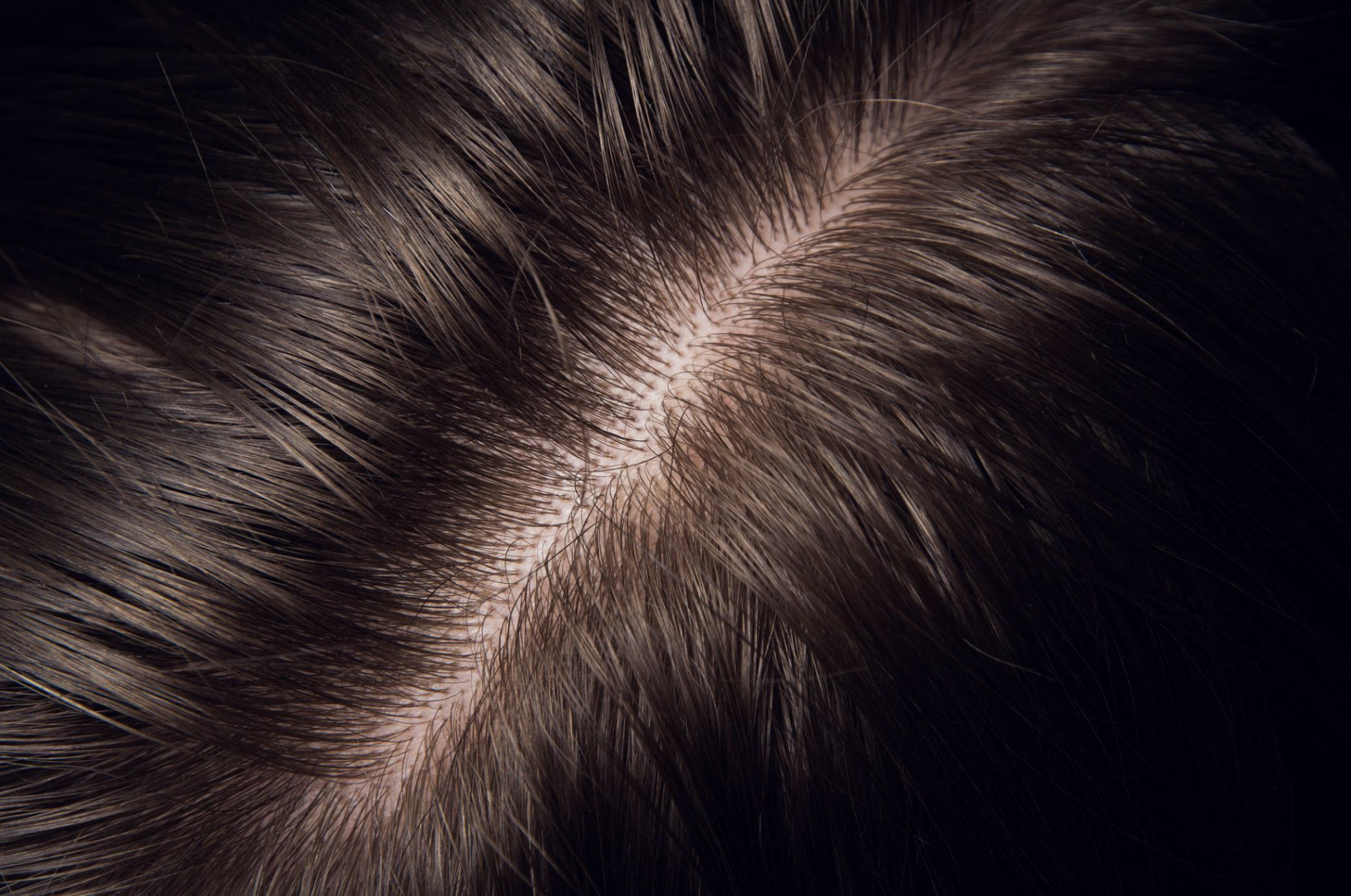
When confronting hair loss, the natural inclination is to look for immediate results. However, human hair biology operates on its own deliberate clock. As board-certified dermatologist Dr. Victoria Serralta points out, hair restoration is rarely an overnight transformation. Follicles under stress or disease must first be stabilized, reactivated, and given time to produce visible strands. Considering that healthy scalp hair grows at an average rate of roughly half an inch per month, measuring meaningful progress is fundamentally a test of patience.
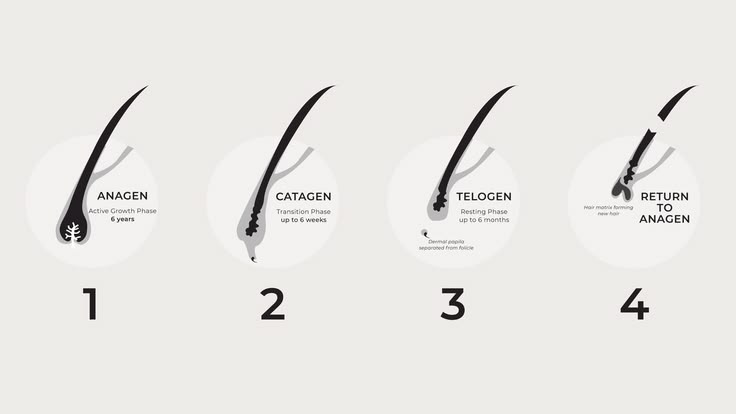
Understanding the natural hair cycle explains why this timeline cannot be rushed. Each hair follicle moves through distinct phases: anagen (the active growth phase, lasting several years), catagen (a brief transition phase), and telogen (a resting phase lasting several months). When a disruption occurs—whether due to metabolic changes, autoimmune activity, or systemic stress—follicles often shift prematurely into telogen and eventually shed. Restoring healthy growth requires interrupting the inciting trigger and coaxing those dormant follicles back into active anagen production.
What to Expect: A Milestone-by-Milestone Timeline
While individual recovery depends entirely on the underlying diagnosis and personalized treatment plan, patients can generally look for specific physiological shifts across standard intervals.
Months 1 to 3: Halting the Loss
The earliest phase of treatment focuses on stabilization rather than visible new density. During the first twelve weeks, the primary goal is often to arrest excessive shedding and treat underlying scalp or systemic inflammation. In some instances, patients starting targeted therapies may notice a brief period of shedding; this is frequently a sign that dormant hairs are clearing the way for new growth cycles.
Months 3 to 6: Early Follicular Awakening
Between three and six months, early biological responses begin to manifest. Follicles that have re-entered the anagen phase produce fine, short baby hairs (vellus-like hairs) along affected areas. While overall coverage may still appear thin, close dermatological evaluation often reveals increased follicular activity and improved scalp health.
Months 6 to 12: Noticeable Density and Maturation
As new strands continue their upward growth and mature into thicker terminal hairs, aesthetic improvements become genuinely visible to the patient. Scalp visibility decreases, overall hair diameter improves, and baseline density begins to re-establish. For many non-scarring conditions, this window provides the first clear picture of treatment efficacy.
Beyond One Year: Consolidation and Long-Term Maintenance
At the one-year mark and beyond, hair reaches sufficient length to blend seamlessly with surrounding strands, allowing patients and their dermatologists to assess peak regrowth. For chronic conditions, this period marks a shift from active recovery to sustainable long-term maintenance.
Diagnosis Dictates the Timeline
Regrowth trajectories vary significantly depending on the specific form of alopecia being treated:
- Stress-Induced Hair Loss: When a significant physiological or psychological stressor triggers diffuse shedding, resolving the underlying stressor typically allows the growth cycle to normalize over six to nine months.
- Nutritional and Systemic Deficiencies: In cases involving iron deficiency or vitamin imbalances, the body prioritizes vital physiological functions—such as red blood cell production—over non-essential tissue like hair. Growth resumes only after internal stores are fully replenished, which can take several months of consistent supplementation.
- Hormonal Conditions: Endocrine-driven hair thinning, such as that associated with polycystic ovary syndrome or androgenetic patterns, requires ongoing medical management to balance hormonal signals at the follicle level. Timelines for these conditions focus on long-term stabilization rather than quick reversal.
- Scarring Alopecias: In inflammatory scarring conditions, the primary clinical objective is rapid, aggressive intervention to halt irreversible follicular destruction. While lost follicles cannot be regenerated once replaced by fibrous tissue, preserving surrounding active follicles protects long-term coverage.
The Power of Consistency and Clinical Oversight
Because hair grows slowly, evaluating treatment efficacy too early can lead to unnecessary frustration. Abandoning a proven medical regimen after only a few months—or frequently switching unverified remedies—often resets the biological clock, delaying genuine recovery.
Dermatologists monitor progress using objective clinical measures, tracking changes in active shedding, follicular density, and scalp health over time. When a comprehensive initial workup identifies the exact mechanism behind the loss, patients can proceed with confidence, knowing their treatment plan is aligned with biology.
Navigating the Path to Sustainable Recovery
Successful hair restoration begins with uncovering root causes, establishing an accurate clinical diagnosis, and aligning expectations with biological realities. By understanding the phases of follicular recovery and committing to consistent, evidence-based care under the guidance of a dermatologist, patients can move past uncertainty and work toward lasting hair health.