The Follicle as a Biological Canary
When hair begins to thin or shed excessively, the immediate reaction is almost universally cosmetic. People scrutinize their styling habits, worry about aging, or purchase over-the-counter serums designed to coat the problem from the outside. Yet in specialized dermatology, the scalp is viewed less as a cosmetic canvas and more as a dynamic diagnostic window into the body’s internal health.
Hair follicles are metabolically active structures that can be sensitive to changes elsewhere in the body. Illness, nutritional deficiencies, hormonal shifts, medications, and significant physiological stress can all alter the normal hair-growth cycle. In some cases, these disruptions cause a greater number of follicles to enter a resting or shedding phase. For this reason, changes in the hair can sometimes provide an external clue to an internal process that deserves further evaluation.
Uncovering Hidden Metabolic and Hormonal Shifts
In some patients, hair loss becomes one piece of a larger clinical picture. Hormonal conditions such as polycystic ovary syndrome (PCOS), for example, may be considered when hair thinning occurs alongside other signs such as irregular menstrual cycles, acne, or excess facial or body hair. Thyroid disorders and other endocrine changes can also affect the normal hair-growth cycle and may contribute to diffuse thinning or shedding.
Nutritional status can also play an important role in hair growth. Iron deficiency and anemia are among the abnormalities that may be investigated in patients with persistent diffuse shedding. Because adequate nutrients are necessary for normal follicle cycling and hair production, deficiencies can contribute to increased shedding or impaired growth. When a deficiency is identified, correcting it may be an important part of the overall treatment plan.
The Forensic Workup: Beyond Surface-Level Assumptions
Treating hair loss effectively often requires careful clinical detective work. Different conditions can produce similar patterns of thinning or shedding, which makes diagnosis based on appearance alone difficult. Relying on self-treatment or generic advice can delay appropriate evaluation, particularly in conditions where earlier intervention may help preserve follicle function.
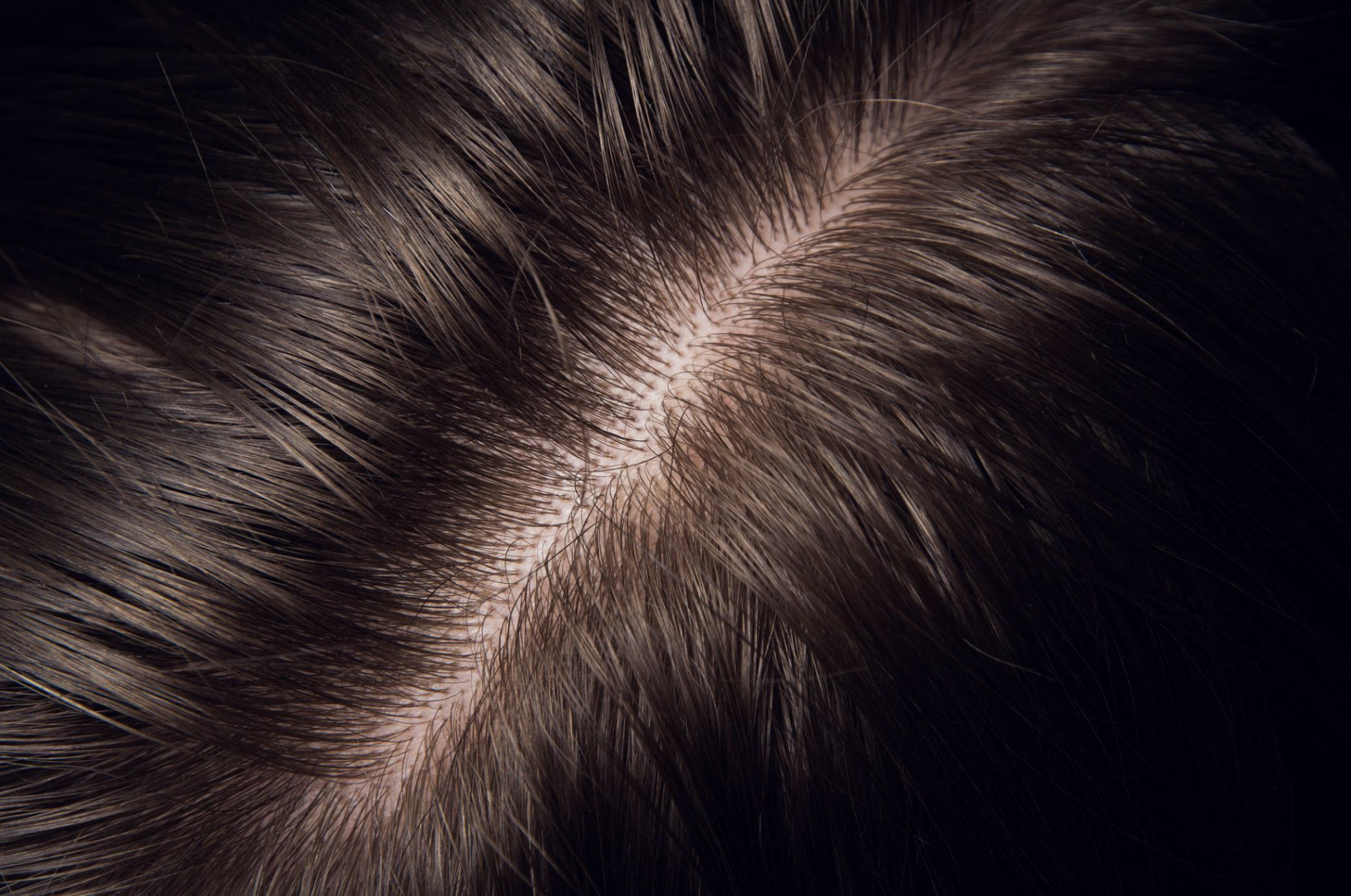
A thorough clinical workup goes beyond a visual inspection. Dermatologists evaluate the pattern of hair loss and examine the scalp for signs such as inflammation, scaling, changes in hair-shaft caliber, or follicular miniaturization. Laboratory testing may be appropriate when a nutritional, endocrine, or autoimmune contributor is suspected. When the diagnosis remains uncertain, a scalp biopsy can provide additional information about follicular architecture, inflammation, the hair-growth cycle, and whether scarring is present.
This distinction is crucial. In many non-scarring forms of hair loss, the follicle remains intact and may resume normal growth once the underlying trigger is addressed or the condition is appropriately treated. Scarring alopecias are different: inflammation can permanently damage and destroy the follicle, replacing it with scar tissue. For these disorders, timely diagnosis and treatment are especially important because hair lost after follicular destruction may not grow back.
A Tailored Medical Roadmap
Once the type and cause of hair loss have been identified, treatment can be much more individualized. Some forms of alopecia respond well to treatment, while others are more difficult to manage or require ongoing therapy. The appropriate approach depends on the diagnosis, the degree of follicular damage, and the individual patient's medical history.
Modern management can draw from a broad range of therapies. Depending on the diagnosis, treatment may involve correcting an underlying nutritional or medical condition, topical or oral medications, corticosteroid or other scalp-directed treatments, or procedures intended to support hair growth. Because the hair-growth cycle is slow, visible improvement often takes several months, even when treatment is working.
Experiencing hair loss is not a personal failing, nor should every change in hair density automatically be dismissed as an inevitable part of aging. When shedding or thinning is persistent, sudden, or accompanied by other symptoms, looking beyond the hair itself can sometimes reveal an important piece of the diagnostic puzzle.